What Is Radon Testing? Why It Matters for Your North Georgia Home Sale
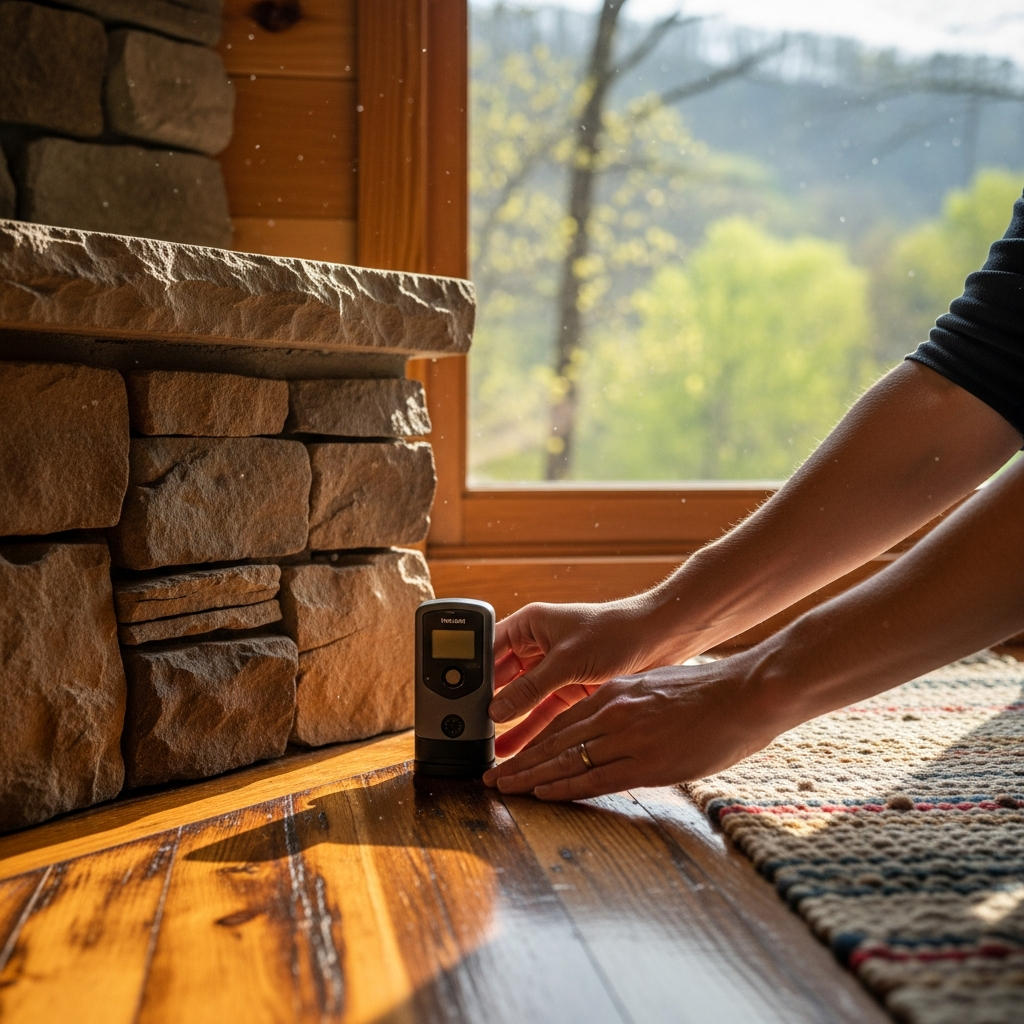
High radon levels can surprise sellers and slow down a deal, so understanding testing early can protect your timeline and your price. If you plan to sell in North Georgia, you need to know what radon testing is and how it shapes buyer expectations.
Understanding What Radon Testing Is
Radon testing measures the amount of naturally occurring radioactive gas that accumulates inside a home. It matters because buyers want to know the home is safe before they sign. I always remind sellers that testing is the only way to confirm radon levels. The EPA explains that testing is the only reliable method to understand your home's safety. You can read more about this through the EPA here epa.gov.
How Radon Levels Can Affect a Home Sale
Buyers often want testing completed before moving forward. If levels come back elevated, usually above 4.0 pCi/L, buyers might pause or request repairs. This can delay negotiations or shift leverage to the buyer. By knowing your levels early, you reduce the chance of last minute surprises 😊.
Typical Buyer Expectations Around Radon Testing
Most buyers expect a radon test during inspections. They want a clear pass or a plan to address it. If you already have results available, it makes your property stand out. It removes the uncertainty that might otherwise slow down offers.
North Georgia Considerations: Mountains and Wells
Mountain terrain in areas like Habersham County, Blue Ridge, and Towns County can create conditions where radon moves easily through the soil. Older homes may have more entry points like cracks in foundations. Homes that rely on well water can also see radon transfer into indoor air. These conditions influence buyer concerns here, so early testing is smart.
Preparing Your Home for Radon Testing
Preparing is simple. Make sure windows and doors remain closed, other than for normal coming and going, during the test. Avoid running whole house fans that change airflow. A clean indoor environment helps produce accurate results and reassures buyers that the test was done right.
Options If Elevated Radon Levels Are Found
If a test comes back elevated, you have options. You can install a mitigation system before listing. You can offer a credit for installation after closing. You can also provide buyers with documented test results so they can plan future mitigation. All three options keep your sale on track.
How Proactive Testing Helps Negotiations
Testing before your listing goes live gives you control. Buyers appreciate clarity. That clarity often encourages stronger offers. When your home shows well and your radon results are already handled, buyers have fewer reasons to negotiate against your price 👍.
When to Consult a Real Estate Professional
If you need help understanding when to test, I can help you create a plan. I can also walk you through how proactive testing influences pricing here in North Georgia. As an agent with Century 21 Community Realty, I see this often and know how to navigate it. If you found this helpful, you may want to read my guide on septic tank location tips.
Common questions sellers ask
Should I test for radon before listing my home?
Testing before listing helps you avoid delays later. It shows buyers that you are prepared. This transparency supports confidence in the home.
Will a high radon result scare away buyers?
Most buyers prefer clear info over surprises. If you provide a mitigation plan or credit, buyers often stay engaged. The key is to address the issue confidently.
How long does radon testing take?
Most short term tests take about two or three days. Longer tests are available but usually not necessary for a typical home sale. Quick testing helps keep your timeline moving.

